Contributor
Identity is more than a name. It is a story written across histories, bodies, landscapes and collective memory.
Contributor
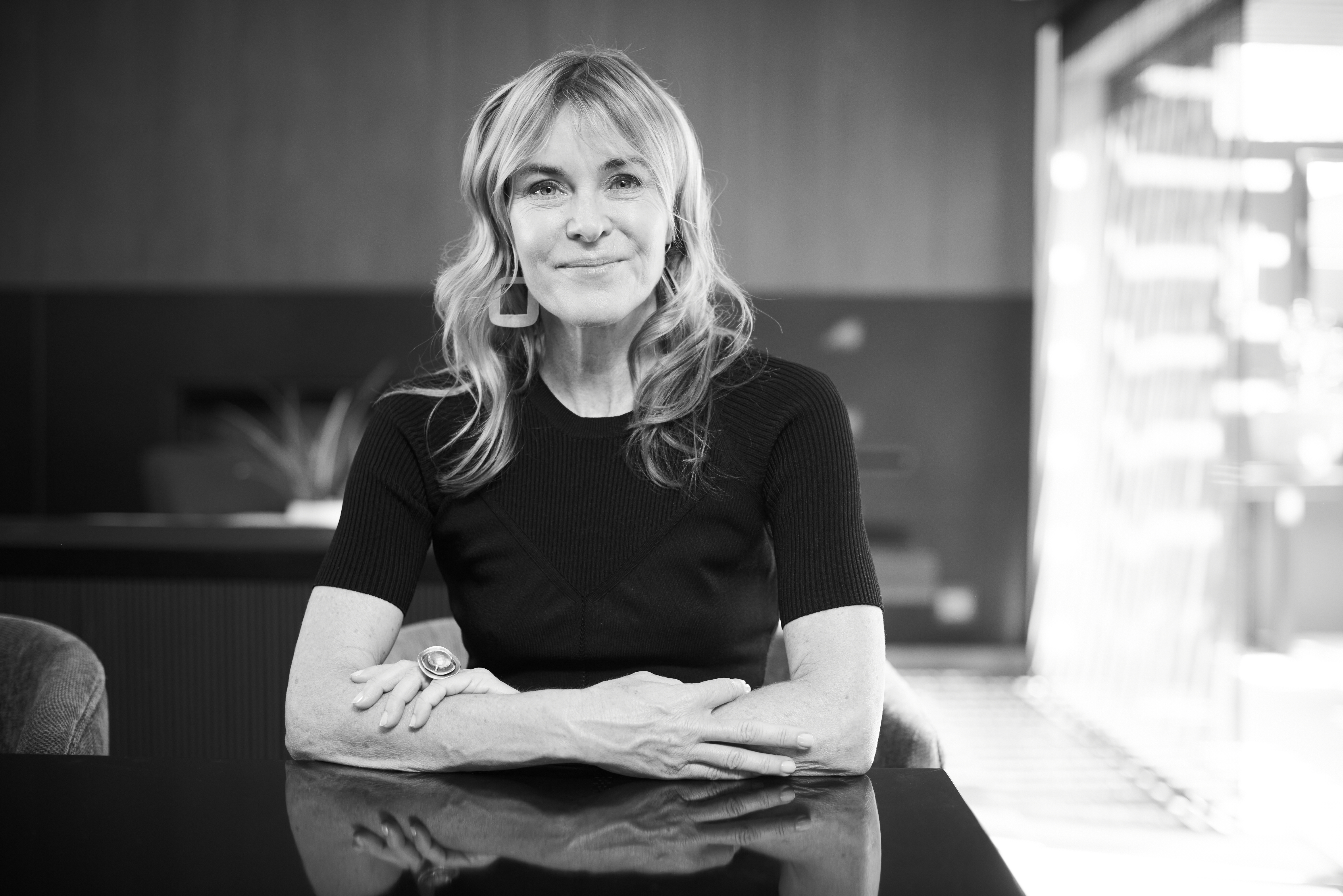
Dr Vanessa Lynch is a forensic DNA and identification governance expert working at the intersection of law, ethics, and forensic science. For more than two decades, her work has focused on the responsible governance of DNA and forensic technologies, including forensic DNA profiling, DNA databasing, and identification science across Africa and internationally, particularly in cases involving serious crime, sexual violence, missing persons, and humanitarian identification. She founded The DNA Project (2005) and later DNAforAfrica, both dedicated to advancing forensic DNA policy and responsible governance across the continent. She played a central role in shaping South Africa’s national DNA database legislation and served as Deputy Chair of the National Forensic Oversight and Ethics Board, overseeing early implementation of the DNA Act. She currently sits on the International Society for Forensic Genetics’ (ISFG) Forensic Databasing Advisory Board, and is an Honorary Lecturer in forensic DNA profiling at UCT’s Faculty of Health Sciences.
Contributor
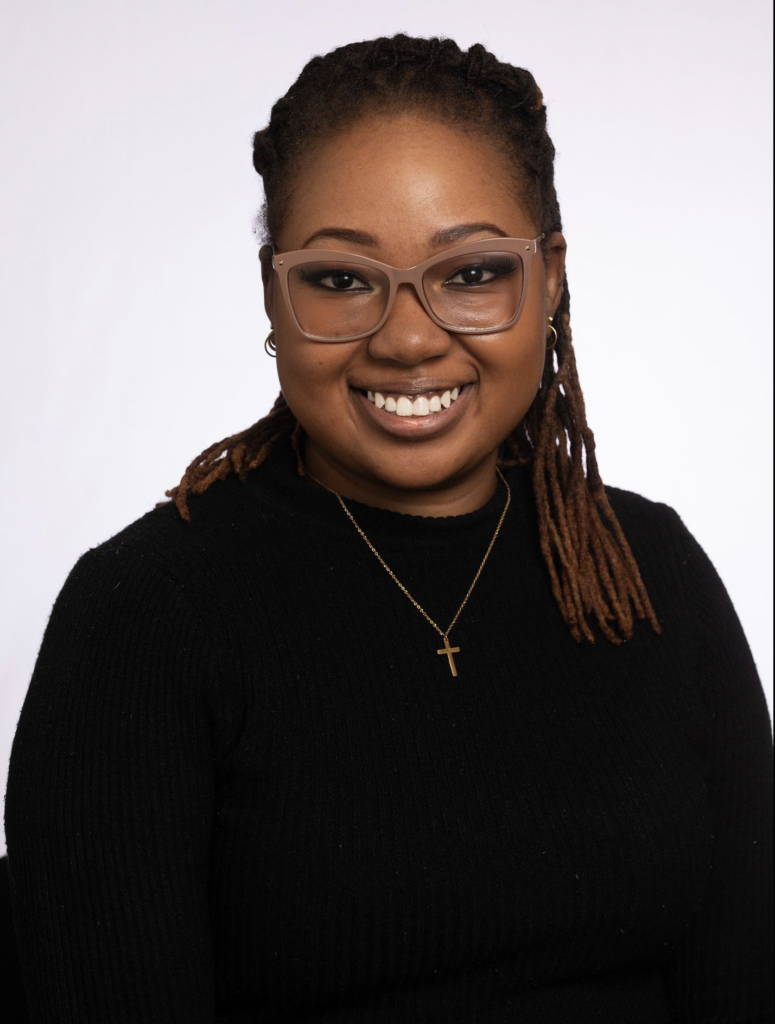
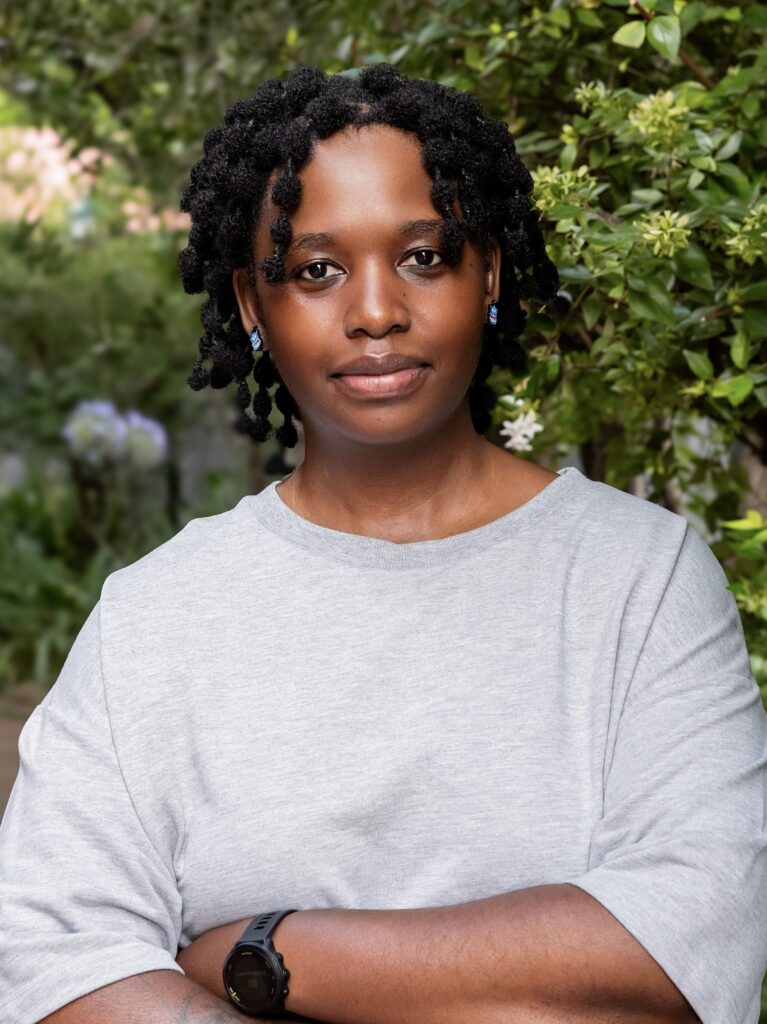
Tinotenda Chiyangwa is a Forensic Artist and graduate of the University of Dundee as the first Zimbabwean and third African to specialise in forensic art at the institution. Drawing on a background in illustration and digital design, she combines artistic expertise with forensic science to support human identification and investigative processes. Her research aspirations and interests focus on developing forensic methodologies and standards tailored to African populations, with the goal of advancing forensic practice in Zimbabwe and across the continent.
Contributor
Mpokiseng Mbedzi is Regional (EMEA) Design Engineer for a global Security Integration Company at the forefront of industry. He has extensive experience in the broader manufacturing industry and has worked in Test and Certification for electronic security equipment.He is passionate about re-imagining the experiences and future of continental and Diasporan Africans and forcing a pivot away from Eurocentric thought within these communities. A self proclaimed Afrocentric and Pro-Black thinker, he engages in philosophical thought and criticism of the Negative impacts of colonial religions on African societies, in and outside the continent. As a writer, he explores ideas of this nature and he is currently in the process of authoring a book that shares a form of African thought/philosophy that is divorced from contemporary western philosophical study.Atop this, he also aims to address the growing gap in the educational outcomes in his home country. The aim is to re-publish science and mathematics educational material in native languages to make it more accessible.
Contributor
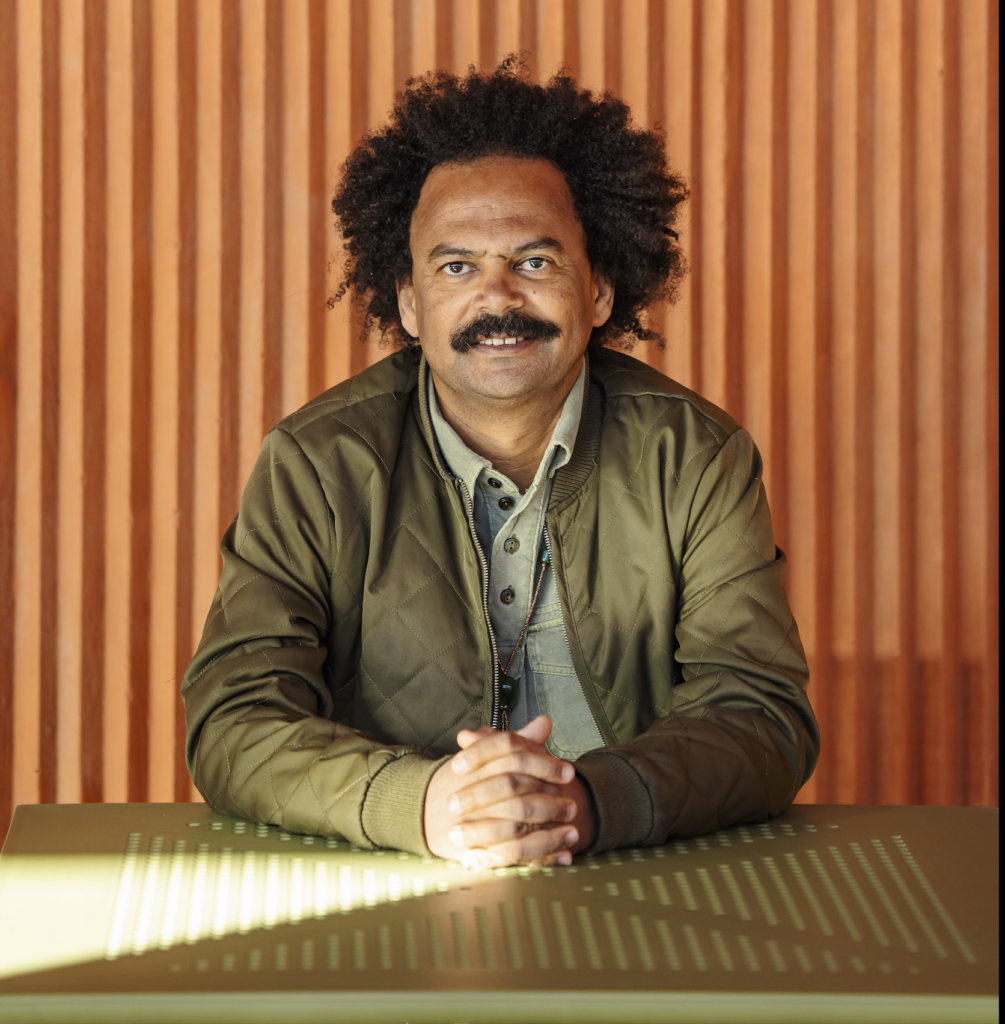
Alebel Desta is a multidisciplinary architect based in Addis Ababa, Ethiopia, with over 27 years of professional practice. A graduate of Addis Ababa University (1998), he has established a distinguished career spanning architecture and experimental spatial installations. His work is defined by the thoughtful integration of innovation, functionality, cultural identity and experimental design. Over nearly three decades, Alebel has led a diverse portfolio of projects ranging from landmark architectural developments to immersive installations that explore the relationship between people, place and experience. His work has received international recognition through prestigious honors, including the International Architecture Awards in 2023, the Architizer A+ Awards in 2025 and the ArchDaily Building of the Year Awards in 2026. Widely published in leading national and international platforms, his projects have also been exhibited in Ethiopia, Europe and North America contributing to contemporary architectural discourse and setting new standards of design excellence across Africa and beyond.
Contributor
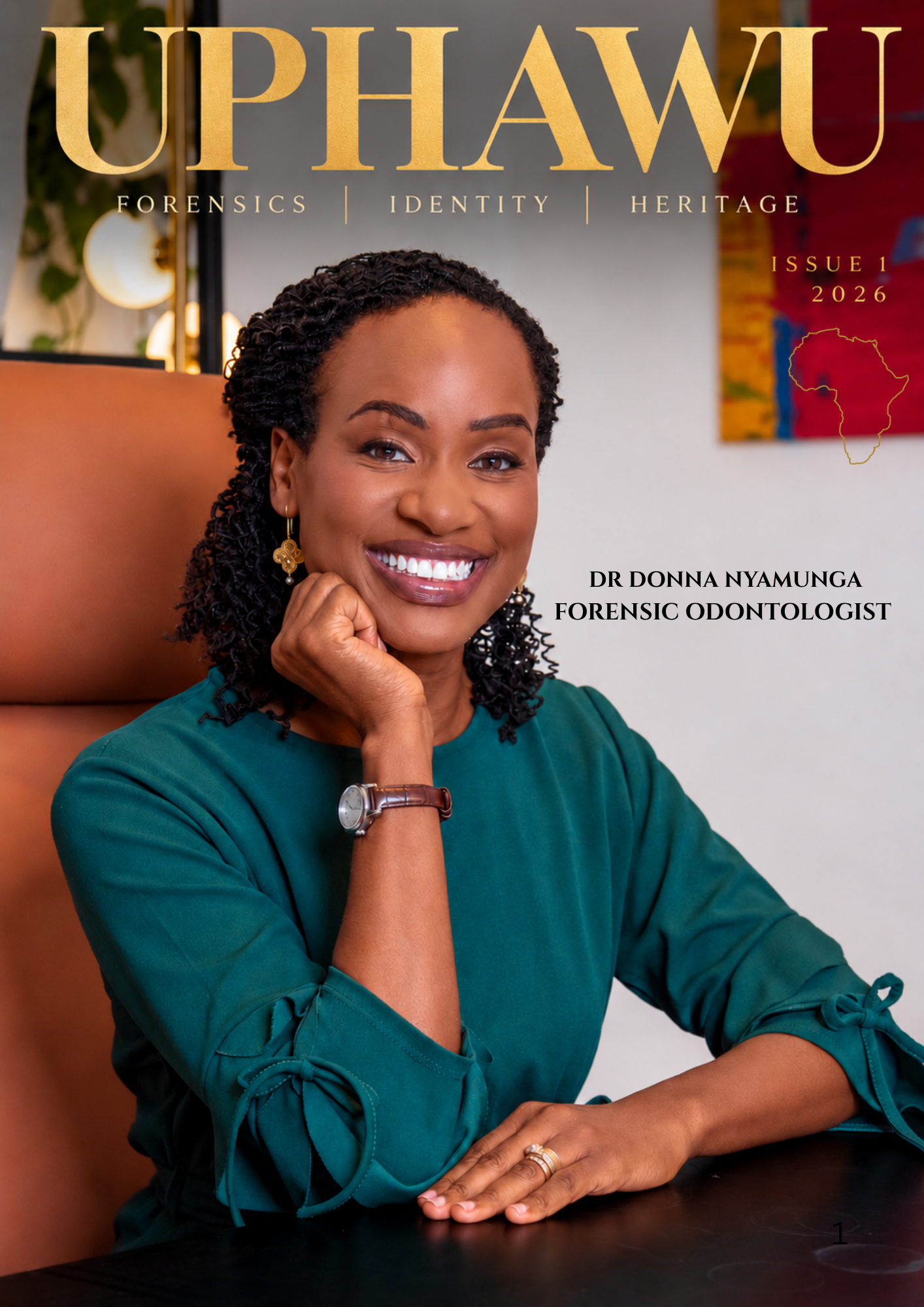
Dr Donna Nyamunga is a Kenyan Forensic Specialist with the Ministry of Health’s Division of Pathology and Forensic Services. A specialist in Forensic Odontology and Human Identification, she brings extensive experience to the intersection of dentistry, forensic medicine and humanitarian response.She holds a Bachelor of Dental Surgery from the University of Nairobi and a Master’s in Forensic Medicine from Monash University. Her expertise encompasses Dental Age Assessment, Forensic Injury Interpretation, Disaster Victim Identification, Human Identification and Expert Witness work.Throughout her career, Dr Nyamunga has contributed to major forensic responses involving terror attacks, mass-casualty disasters, aircraft crashes and the Shakahola incident. Alongside her casework, she contributes to training and capacity building, the development of forensic guidelines, and efforts to strengthen systems for the dignified management and identification of human remains.Her research includes peer-reviewed publications on dental age estimation in Kenyan children and adolescents, contributing to the development of evidence-based forensic practice in Africa.
Contributor
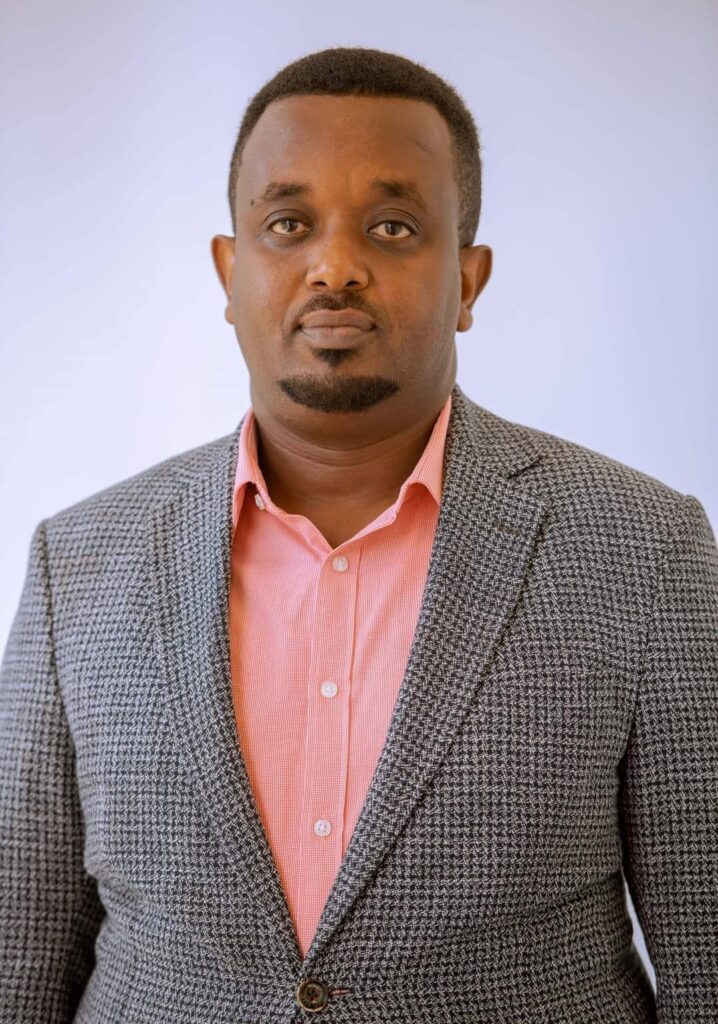
Serge Rwigamba is an Officer in the External Relations Department at Aegis Trust / Kigali Genocide Memorial. He is a Guide and Memory Preservation professional with a Bachelor’s degree in International Relations and 18 years of professional experience. His areas of expertise include guiding, historical memory preservation, and international relations, with extensive experience contributing to the preservation and interpretation of historical memory in Rwanda.
Contributor
Karabo Matlala is a photographer with over 14 years of experience behind the camera, specialising in events, portraits, travel, and, increasingly, wildlife photography. Over the past five years, her work has focused on capturing the beauty and complexity of the natural world, with a particular interest in the moments, light, and animal behaviours that bring a story to life. For Karabo, photography is about more than simply taking a picture; it is a creative way of experiencing and documenting the world. Through her work, she hopes to connect people with nature, celebrate the beauty of the wild, and inspire others to experience it for themselves. Website: https://
Stephen’s career in medicolegal death investigation spans 28 years, focusing on forensic human identification and emergency management. He was a Coroner for 8 years and managed the Identification and Disaster Response Unit (IDRU) for another 8 years in British Columbia, Canada. He has contributed to the development of missing persons and unidentified bodies policies and programs provincially and nationally. He has attended mass fatality events internationally. Stephen joined the International Committee of the Red Cross in 2013, working in the Middle East and Africa predominantly, addressing the humanitarian consequences of armed conflict, disasters and migration and promoting humanitarian forensic action. He is currently the Manager of the African Centre for Medicolegal Systems (ACMS). As part of his leadership responsibilities, he leads the global Military Personnel Identification Project, working with State armed forces around the world to draft global guidelines to reduce military personnel from becoming unaccounted for on the battlefield. He is the recipient of the British Columbian Institute of Technology’s Dean’s Award, the Queen Elizabeth II Diamond Jubilee Medal, and the 2026 International Association of Forensic Science’s Human Rights Award.
Welcome to our digital cafe. A space to explore recommendations, conversations and the little things that inspire us.